

60 x 36 bathroom mirror
Truss Mending Nail Plates for Wooden Villa Houses A Comprehensive Guide In the construction of wooden villa houses, one of the essential components that ensure structural integrity and longevity is the use of truss mending nail plates. These metal plates play a crucial role in reinforcing the connections between various wooden elements, providing the necessary strength and stability to withstand various environmental challenges. In this article, we will explore what truss mending nail plates are, their benefits, applications, and best practices for using them in wooden villa construction. What are Truss Mending Nail Plates? Truss mending nail plates are typically made of galvanized steel or other high-strength materials, designed to enhance the structural performance of wooden trusses. These plates, often shaped like thin sheets with pre-drilled holes or spikes, are affixed to the surfaces of wooden members using nails or screws. The primary function of these plates is to distribute loads effectively across the wood surface, ensuring a more stable connection between truss components such as rafters and chords. Benefits of Using Mending Nail Plates 1. Enhanced Structural Integrity Truss mending nail plates significantly increase the load-bearing capacity of wooden structures. By distributing stress over a larger area, they help prevent failures at the joints, which are often the weakest points in wooden constructions. 2. Ease of Installation With pre-drilled holes, mending nail plates can be easily installed using standard nails or screws. This simplicity in application makes them an attractive option for builders looking for efficient ways to reinforce wooden structures. 3. Cost-Effectiveness Compared to other reinforcement methods, such as additional framing or more complex steel connectors, mending nail plates are relatively inexpensive. This affordability makes them a popular choice among contractors focusing on budget-friendly construction practices. 4. Durability Made from weather-resistant materials, these plates can withstand various environmental conditions, including moisture and temperature fluctuations, ensuring that the structural integrity of the villa remains intact over time. 5. Aesthetic Versatility Mending nail plates can be used in various architectural designs without compromising the visual appeal of the wooden villa . They can be concealed within the frame or incorporated into the design, depending on the desired aesthetic. truss mending nail plate for wood villa house Applications in Wooden Villa Construction In wooden villa houses, truss mending nail plates are commonly used for connecting various truss components. Whether reinforcing roof trusses or framing for walls, these plates can enhance the robustness of the entire structure. Some typical applications include - Roof Trusses Connecting rafters to the top chord or supporting beams ensures the roof can bear heavy loads, such as snow or additional structural weight. - Floor Joists Providing additional support at the junctions where joists meet beams, helping to eliminate potential bouncing or flexing. - Wall Framing Strengthening the connections at the corners and intersections of wall studs, which is vital for the overall stability of the house. Best Practices for Using Truss Mending Nail Plates 1. Proper Sizing Ensure that the nail plates used are appropriately sized for the wooden elements they will be reinforcing. The right dimensions help optimize strength without adding unnecessary weight. 2. Correct Installation Technique Follow manufacturers’ guidelines for installing the plates, such as spacing, type of fasteners, and the number of nails or screws required. Improper installation can negate the benefits these plates offer. 3. Periodic Inspections After construction, it is recommended to perform periodic inspections of the nail plates and their connections. Identifying and addressing potential issues early can prevent severe structural problems down the line. 4. Combine with Other Reinforcement Methods While mending nail plates are highly effective, their use can be complemented with other reinforcement techniques to create a more robust overall structure. Conclusion Truss mending nail plates are invaluable tools in the construction of wooden villa houses. They provide enhanced structural integrity, ease of installation, and cost-effectiveness, making them essential for any builder or architect specializing in wooden structures. By understanding their benefits and applications, and adhering to best practices, builders can ensure that their wooden villas are not only beautiful but also remarkably sturdy and capable of standing the test of time. Embracing these components can lead to more durable and safe homes, ensuring that families enjoy their wooden havens for generations to come.
about
60 x 36 bathroom mirror
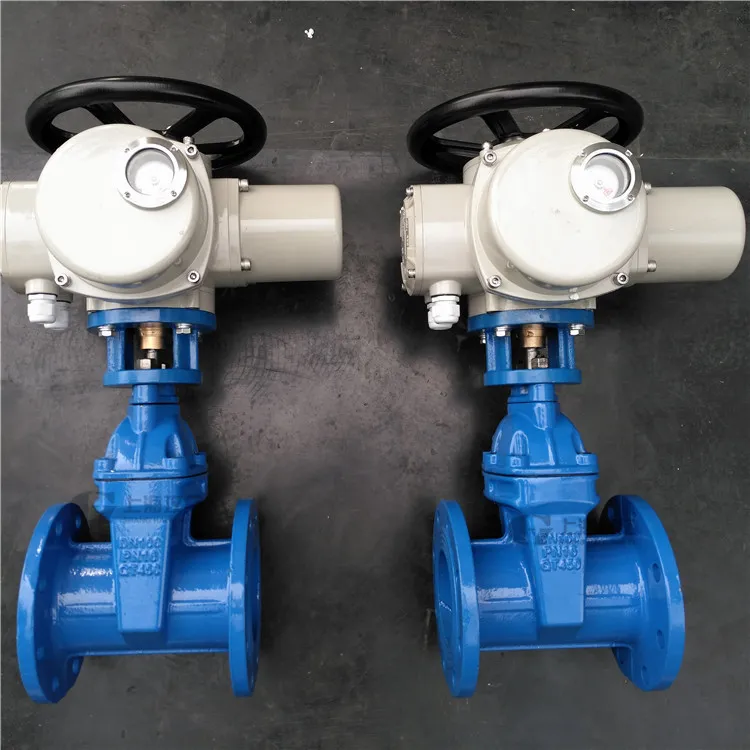
Replacing a Water Valve A Step-by-Step Guide Replacing a water valve might seem like a daunting task for the average homeowner, but with the right tools and instructions, it can be a manageable DIY project. Understanding the importance of water valves in your plumbing system is essential, as they control the flow of water to various parts of your home. Whether you are dealing with a leaking valve or simply want to upgrade it, this guide will help you through the process. Before starting, ensure you have all the necessary tools. You’ll need an adjustable wrench, a pipe cutter, Teflon tape, and a bucket to catch any residual water. Always prioritize safety—wear gloves and safety goggles to protect yourself from any debris or water spills. Replacing a Water Valve A Step-by-Step Guide Next, identify the valve that needs replacing. If it’s a cut-off valve under a sink, it’s typically connected directly to the water supply line. Use the adjustable wrench to loosen the nuts connecting the valve to the pipe. Be cautious as you may encounter some water spillage, so keep your bucket handy. replace a water valve Once you have disconnected the old valve, inspect the existing pipes for any damage or wear. If the pipe's threads are damaged, you may need to consider replacing that section of the pipe as well. Assuming everything looks good, you can proceed with installing the new valve. Apply Teflon tape to the threads of the pipe to prevent any leaks, and then attach the new valve by tightening the nuts with your wrench. After securing the new valve, turn the main water supply back on gradually. Check for leaks around the newly installed valve. If you see any water seeping out, tighten the connections slightly until the leaks stop. Finally, test the functionality of the valve by turning it on and off. Ensure that it operates smoothly without any hissing or leaks. If everything is tight and functioning correctly, you have successfully replaced a water valve! In conclusion, replacing a water valve is a straightforward process that can save you money on plumbing bills. With basic tools and a bit of patience, you'll have your plumbing system running smoothly in no time. Always remember, if you’re ever unsure about the process, don’t hesitate to consult with a professional plumber.
-

High quality industrial productsagement

High quality industrial products
View Details -

Meet the diverse needs of customers

Meet the diverse needs of customers
View Details -

Strict quality control

Strict quality control
View Details -

Top raw materials

Top raw materials
View Details -

Trusted supplier

Trusted supplier
View Details
Our application

news and information
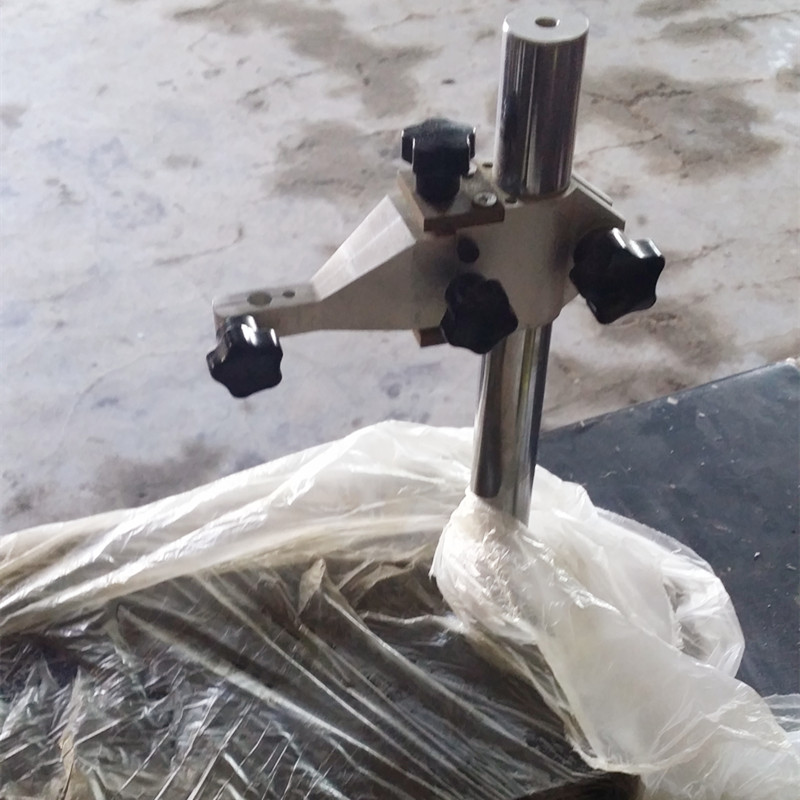
valve factory
Located at the very heart of industrial innovation, valve factories have become pivotal in shaping t
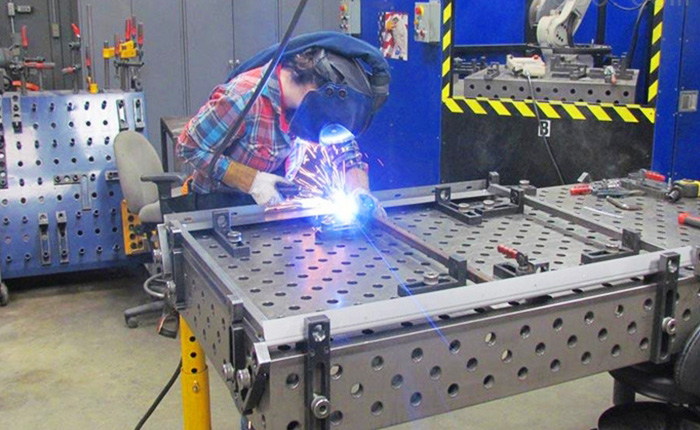
welding table china
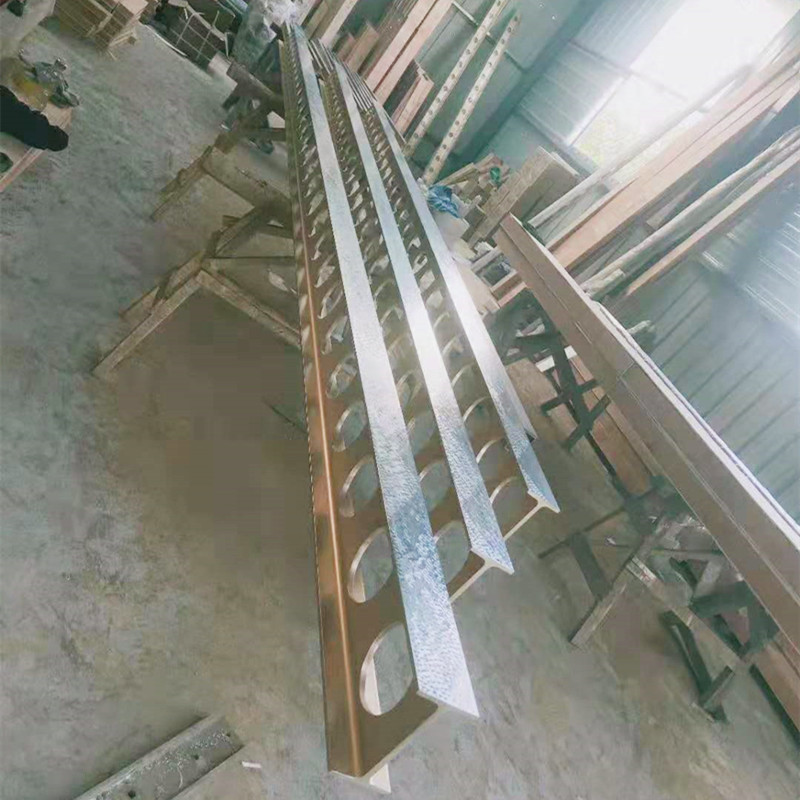
The Rise of Welding Tables in China A Comprehensive Overview Welding tables play a crucial role in v
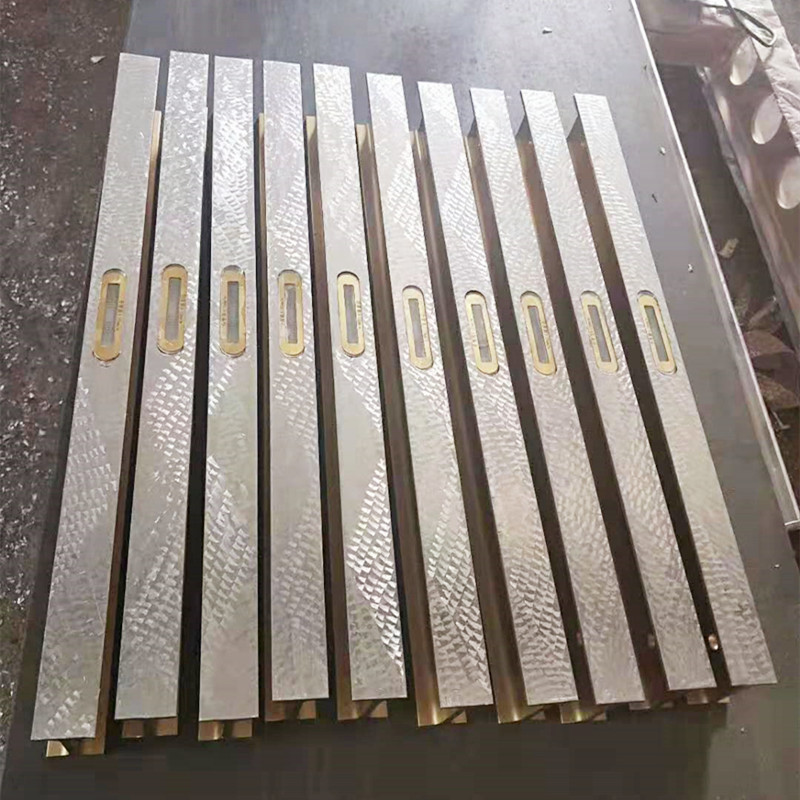
Vee blokken te koop voor duurzame landbouwoplossingen en efficiëntie
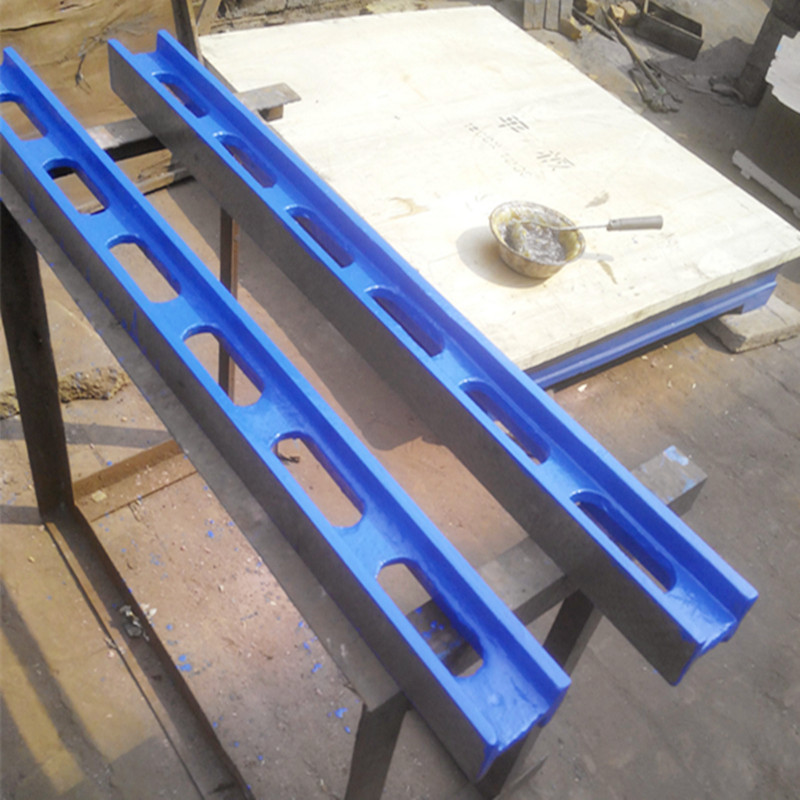
VEE Blokken Te Koop De Toekomst van Duurzaam Wonen In de wereld van de bouw en architectuur zien we
 English